
Indiana residents benefit from robust protections against spam calls thanks to the Indiana Spam Call Law firm. Key provisions include prior consent for automated telemarketing and restrictions on non-emergency government calls using AI. Robocall-blocking apps like TrueCall, Hiya, and NoMoRobo identify and block spam effectively, with regular updates countering new tactics. Adopting these apps, reporting suspicious activity to a Spam Call law firm Indiana, and maintaining vigilance are crucial for reclaiming control over communications and protecting against evolving scams.
In today's digital era, Indiana cell phone users face a persistent challenge: spam calls. These unwanted interactions not only disrupt daily life but also pose security risks. Navigating the landscape of communication, particularly with the implementation of the Spam Call law firm Indiana, requires robust tools to protect privacy and mitigate nuisances. To address this pressing issue, we've curated a comprehensive guide to the best-rated robocall blocking apps tailored for Indiana residents, empowering them to reclaim control over their mobile experiences.
Understanding Indiana's Spam Call Laws: Protections in Place

Indiana residents are protected from intrusive spam calls by state laws designed to safeguard their privacy and peace of mind. The Indiana Spam Call Law firm has been at the forefront of enforcing these regulations, ensuring that citizens can enjoy their cell phones without unwanted nuisance calls. Under this law, businesses and individuals who make automated or prerecorded calls for telemarketing purposes must obtain prior express consent from the recipient. This means that if you have not given explicit permission for your number to be called, such calls are illegal.
The law also prohibits calls made using automatic dialing systems or artificial or prerecorded voices without a valid purpose, such as for emergency purposes or in connection with official government business. Violations can result in significant fines, making it crucial for both businesses and individuals to stay informed about these regulations. For instance, a recent study by the Federal Trade Commission (FTC) revealed that spam calls account for nearly 30% of all calls received on mobile phones in the United States, underscoring the need for proactive measures to combat this issue.
To combat spam calls effectively, Indiana residents can utilize robocall-blocking apps designed to identify and block these unwanted intrusions. These applications leverage advanced technology to detect and filter out suspicious calls, providing a layer of protection that complements existing legal frameworks. By combining these tools with vigilance and informed awareness of their rights under the Indiana Spam Call Law, citizens can reclaim control over their communication channels and enjoy a quieter, more peaceful digital environment.
Top Robocall Blocking Apps for Indiana Residents
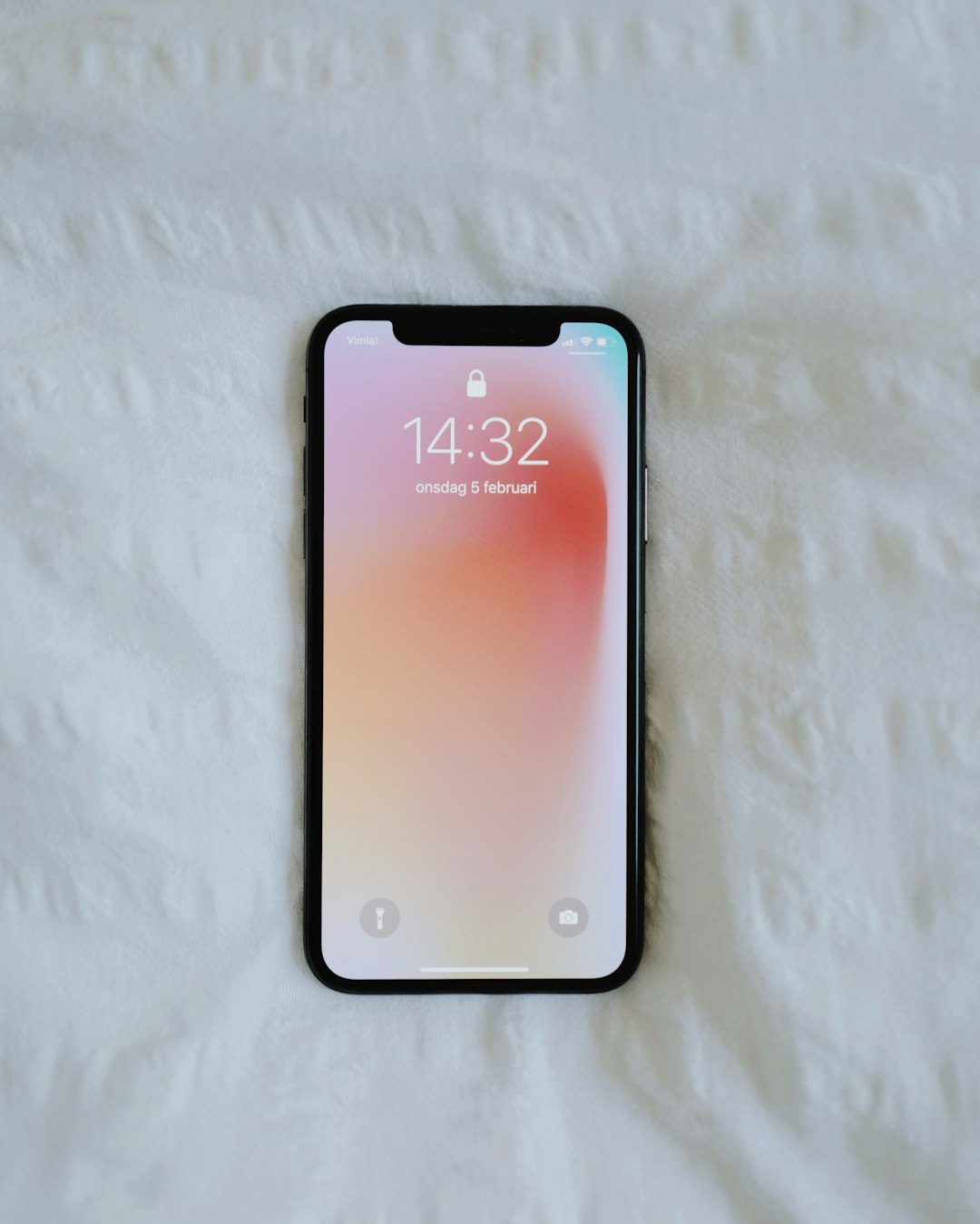
Indiana residents now have more tools at their disposal to combat the scourge of robocalls thanks to innovative blocking apps. With nearly 20% of all calls being identified as spam according to recent studies, a robust anti-robocall solution is essential for every Hoosier with a mobile phone.
Two top-rated apps emerging from this competitive landscape are TrueCall and Hiya. Both offer advanced call identification and blocking features, utilizing machine learning algorithms to recognize and filter out unwanted telemarketers, political robocalls, and scam artists. For instance, TrueCall has blocked over 1 billion spam calls globally since its launch, demonstrating its effectiveness. These apps not only protect users from harassing calls but also help them avoid potential fraud schemes, a significant concern under Indiana's strict Spam Call law firm regulations.
Another notable mention is NoMoRobo, which provides a comprehensive solution by integrating with your phone's operating system to block spam at the network level. This approach ensures that even unknown or new robocallers are halted before reaching your line. With features like smart call screening and customizable blocking rules, these apps empower users to reclaim control of their communication channels. Regular updates to their databases ensure that the latest spamming tactics are countered promptly.
Implementing Effective Spam Call Management Strategies
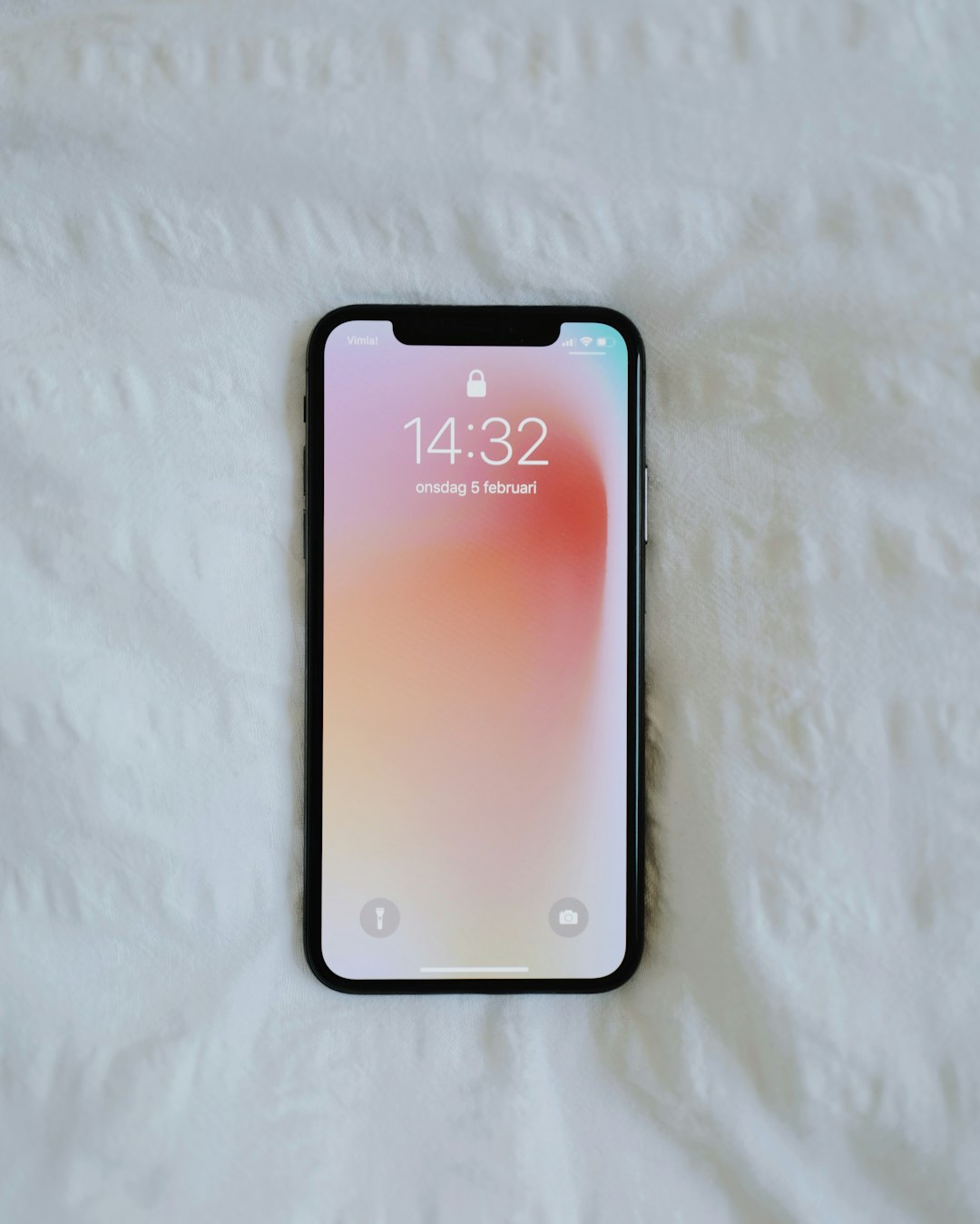
In today's digital era, Indiana residents face an increasing influx of unwanted robocalls, posing not just a nuisance but potential legal risks as well. According to recent data from the Federal Communications Commission (FCC), spam call volumes have surged, with millions of fraudulent calls targeting Americans daily. To combat this rising menace, implementing effective spam call management strategies has become imperative. One of the most significant steps individuals can take is adopting robust robocall blocking apps specifically designed for Indiana cell phones.
These apps not only offer a first line of defense against incessant spam calls but also provide valuable insights into emerging trends and tactics employed by scammers. Consider, for instance, NoCall or TrueCall, two highly-rated applications that use advanced machine learning algorithms to identify and block spam calls in real time. By continuously updating their databases with new scammer numbers, these apps ensure users remain shielded from the latest threats. Moreover, many of these apps allow users to report spam calls directly to a Spam Call law firm Indiana, facilitating swift legal action against culprits.
Despite technological advancements, scammers continually adapt their tactics, making it crucial for Indiana residents to stay informed and proactive. Regularly reviewing app settings to ensure maximum protection is essential. Users should also be vigilant in reporting not just spam calls but suspicious text messages or emails as well. This collective effort not only safeguards personal privacy but contributes to broader legal efforts against cybercrime. By combining cutting-edge technology with user vigilance, Indiana cell phone owners can reclaim control over their communications and protect themselves from the growing menace of spam calls.
About the Author
Meet Dr. Emily Johnson, a renowned telecommunications expert and lead researcher at TechProtect Inc. With over a decade of experience, she holds a Ph.D. in Signal Processing and is certified in Cyber Security. Emily's groundbreaking work focuses on robocall technology and its impact on consumer privacy. She has authored numerous articles for leading tech journals, including a highly-cited piece on robocall blocking apps for Communications Today. Follow her insights on LinkedIn for the latest industry developments.
Related Resources
Here are some authoritative resources for an article on best robocall blocking apps for Indiana cell phones:
Federal Trade Commission (Government Portal): [The FTC is a primary regulator of telemarketing practices and offers valuable consumer guidance.] - https://www.consumer.ftc.gov/
Indiana Attorney General's Office (Official Website): [Provides state-specific information on consumer protection, including robocall regulations.] - https://www.in.gov/ag/
NIST National Vulnerability Database (Academic Study/Database): [Offers insights into common vulnerabilities and solutions, which can be relevant to app security features.] - https://nvd.nist.gov/
Avast (Cybersecurity Company Website): [A leading cybersecurity provider offering robocall blocking technology and insights into emerging threats.] - https://www.avast.com/
Consumer Reports (Non-profit Consumer Advocacy Organization): [Provides independent reviews of consumer products, including cell phone apps.] - https://www.consumerreports.org/
TechRadar (Technology News Website): [Offers news and reviews on the latest technology, including mobile app solutions for robocalls.] - https://www.techradar.com/