Best Apps to Stop Robocalls in Indiana: A Comprehensive Guide
Introduction
In the age of digital communication, the nuisance of robocalls has become a pervasive issue for consumers across the United States, including Indiana. These automated calls, often from scammers or telemarketers, disrupt our lives and can even lead to financial loss. This article delves into the best apps designed to combat this menace, offering a detailed exploration of their features, effectiveness, and the broader context in which they operate. Readers will gain valuable insights into how these applications work, the benefits they provide, and the role they play in protecting Hoosiers from unwanted calls.
Understanding Best Apps to Stop Robocalls in Indiana
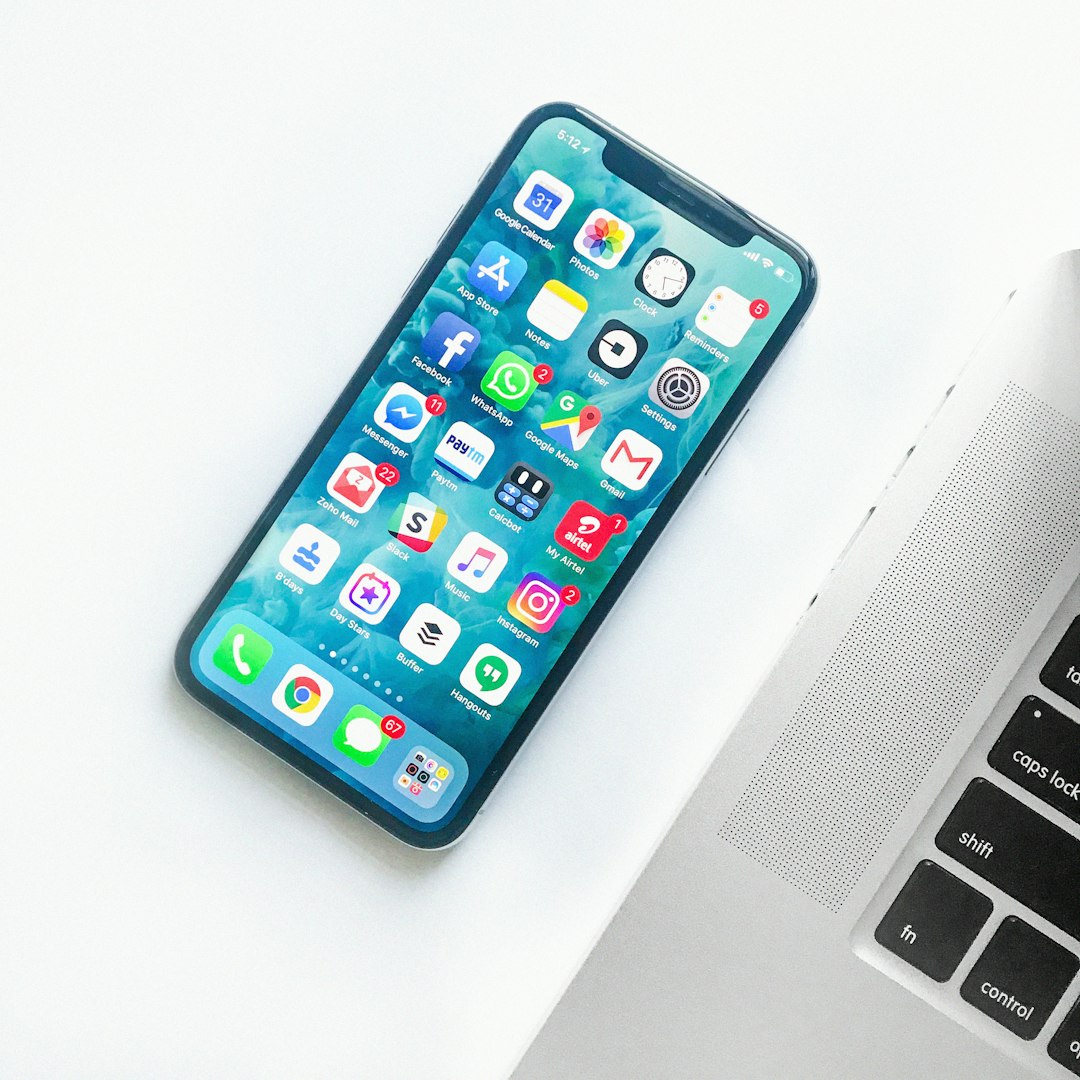
The term "best app to stop robocalls in Indiana" refers to mobile applications specifically designed to detect, block, and report robocalls and telemarketing spam. These apps utilize a combination of technologies such as caller ID, call tracing, and AI-driven algorithms to distinguish between legitimate calls and automated spam. They often offer additional features like blacklisting specific numbers, user-controlled whitelists, and real-time alerts about suspicious activity. The historical context of these apps is rooted in the increasing prevalence of illegal robocalls, which has led to a surge in demand for robust solutions capable of protecting consumer privacy and security.
Global Impact and Trends
The challenge of robocalls is not isolated to Indiana; it's a global issue. According to the Truecaller Insights Report 2022, India, followed by the United States, are among the top two countries targeted by spammers. The global impact is significant, with billions of dollars lost annually due to fraudulent activities facilitated by robocalls. Trends indicate an increase in sophistication among scammers, with a rise in social engineering tactics and impersonation. Regions with higher mobile penetration are more susceptible, highlighting the necessity for advanced call-blocking solutions worldwide.
Economic Considerations
The economic aspects of robocalls and their mitigation through apps are multifaceted. From a consumer perspective, these applications save time and money by preventing scams and unwanted solicitations. On a broader scale, they contribute to the reduction of operational costs for telecommunication companies by lessening the burden on customer support services. The market for anti-robocall apps is growing, with startups and established tech giants alike investing in their development. This economic activity drives innovation and competition, leading to more effective solutions.
Technological Advancements
Technological advancements have been pivotal in the fight against robocalls. AI-driven machine learning algorithms can now detect patterns characteristic of spam calls with high accuracy. Natural language processing (NLP) allows apps to understand and categorize speech patterns, distinguishing between human voices and synthetic ones. Network analysis helps identify and block call centers responsible for mass robocalls. Future advancements may include more robust voice authentication methods and real-time, community-driven spam reporting systems.
Policy and Regulation
In the United States, the Telephone Consumer Protection Act (TCPA) provides guidelines to curb unsolicited calls. The Federal Communications Commission (FCC) regularly updates its regulations to combat new robocall tactics. Indiana, like other states, has specific laws in place, with some local apps complying with or exceeding these standards. Cross-border collaboration is essential for addressing the issue globally, as evidenced by initiatives like the Global High-Level Expert Group on Artificial Intelligence (GLEG AI).
Challenges and Criticisms
The primary challenges faced by apps designed to stop robocalls include adapting to rapidly evolving scam tactics, ensuring user privacy, and maintaining high accuracy rates without excessive false positives. Critics argue that while these apps are helpful, they may not be foolproof and could potentially infringe on privacy if they collect too much user data. To address these issues, developers must continuously update their algorithms and employ privacy-preserving techniques to protect users' information.
Case Studies
One notable case study is the app "Robokiller," which has been effective in blocking millions of robocalls for its users. Another example is "YouMail," which offers a caller ID service and free robocall blocking. These apps have successfully reduced the volume of unwanted calls for their subscribers, providing valuable insights into the effectiveness of such solutions. Lessons learned from these case studies underscore the importance of user engagement, regular updates, and transparency in data handling.
Future Prospects
The future for best apps to stop robocalls in Indiana and beyond is promising, with advancements in AI and machine learning expected to further enhance their capabilities. The integration of blockchain technology could offer new ways to secure phone networks against fraudulent activity. As scammers evolve, so too must the defenses against them, ensuring that these apps remain a vital line of defense for consumers.
Conclusion
In conclusion, the best apps to stop robocalls in Indiana represent a critical tool in the fight against unwanted and potentially harmful calls. They combine advanced technology with user-friendly interfaces to provide a valuable service in an increasingly connected world. As the landscape of telecommunication continues to evolve, so too will the tools we use to protect our privacy and security. It is imperative for consumers to stay informed about the best available options and for developers to continuously innovate and adapt to new challenges.
Please note that the specific apps and technologies mentioned are examples and may change over time. Consumers should research and select the app that best suits their needs, considering factors such as user reviews, privacy policies, and the range of features offered.
August 20, 2025
best app to stop robocalls Indiana Expert
Indiana residents combat intrusive robocalls using smartphone apps like NoCall and Hush, blocking political campaigns and telemarketers. Strict local laws protect consumers, with robocall attorneys guiding complaints and legal action. Apps employing machine learning reduce spam, but no tool is perfe.......
Read more →
August 18, 2025
best app to stop robocalls Indiana Expert
Indiana's Attorney General releases a guide advocating for robocall protection apps to combat increasing nuisance calls. Apps like NoCall and Hush offer real-time blocking via smart tech & machine learning. Additionally, listing on national "Do Not Call" registries is recommended.......
Read more →
August 16, 2025
best app to stop robocalls Indiana Expert
Indiana's Do Not Call laws protect residents from unwanted telemarketing calls, with the attorney general managing a registered list. Law firms must obtain prior consent to call residential numbers. Spam call blocking apps using advanced caller ID and machine learning enhance privacy for law fi.......
Read more →
August 14, 2025
best app to stop robocalls Indiana Expert
Indiana residents have legal protections against robocalls through state and federal regulations like the TCPA. They can block unwanted calls using trusted apps that identify automated messages, leveraging advanced algorithms to filter spam while allowing legitimate calls. Regular updates and commun.......
Read more →
August 12, 2025
best app to stop robocalls Indiana Expert
Americans, including Indiana residents, face robocalls, some illegal under TCPA. Residents can opt-out and document nuisance calls for legal action against service providers. Call blocker apps like App A and App B filter spam and fraudulent attempts, empowering users. Choose apps with robust blockin.......
Read more →
August 9, 2025
best app to stop robocalls Indiana Expert
Spam Call law firms in Indiana utilize AI-powered blocking apps to combat robocalls and spam, offering residents control over communication preferences and creating a safer digital environment in compliance with local laws. These apps employ machine learning and speech recognition to identify and bl.......
Read more →
August 8, 2025
best app to stop robocalls Indiana Expert
Robocalls, while offering valuable services, are a common source of consumer complaints due to misuse in telemarketing and fraud. In Indiana, they're regulated by the Federal Trade Commission (FTC) and state Attorney General's Office through the Telephone Consumer Protection Act (TCPA). To.......
Read more →
August 5, 2025
best app to stop robocalls Indiana Expert
Robocalls and scams have become a major problem for Hoosiers in Indiana, prompting many residents to turn to call screening apps to block unwanted interruptions and protect themselves from potential fraud. These apps utilize AI and machine learning to identify and block telemarketers, including robo.......
Read more →
August 3, 2025
best app to stop robocalls Indiana Expert
Indiana residents battling relentless robocalls from law firms now have powerful allies in the form of top-rated apps designed to protect their privacy under state Do Not Call laws. These apps, leveraging advanced call identification, machine learning, and user feedback, effectively block unwanted a.......
Read more →
August 1, 2025
best app to stop robocalls Indiana Expert
Robocalls are a common nuisance in Indiana, but residents have options. Call-blocking apps like TrueCall, NoMo, and Hiya offer advanced software to identify and block spam calls, with features tailored to individual needs. Understanding Indiana's robocall laws is crucial for effective protectio.......
Read more →