
Indiana's Do Not Call laws protect residents from unwanted telemarketing calls, enforced by the DPL. Businesses must register for compliance, limiting calls to pre-approved sources during specified times (9 am - 8 pm weekdays). Do Not Call law firms assist both businesses and consumers with implementation and filing complaints. Real-time spam detection apps using advanced algorithms and machine learning offer extra protection against evolving spammers' tactics, empowering users to block and report spam effectively. Apps like Nomoro and Hush, integrated with Do Not Call law firms, have high accuracy rates and provide detailed analytics, helping Hoosiers regain control over their communication channels.
Indiana residents face a growing challenge from relentless spam calls, posing a significant nuisance and potential risk to privacy. With the proliferation of automated phone systems employing deceptive tactics, the need for robust real-time spam detection apps has become imperative. This article delves into the importance of such tools, offering an effective solution to combat unwanted calls, especially targeting Indiana's Do Not Call law firms. By exploring cutting-edge technologies and strategies, we provide valuable insights to empower users in navigating this modern communication landscape.
Understanding Indiana's Do Not Call Laws
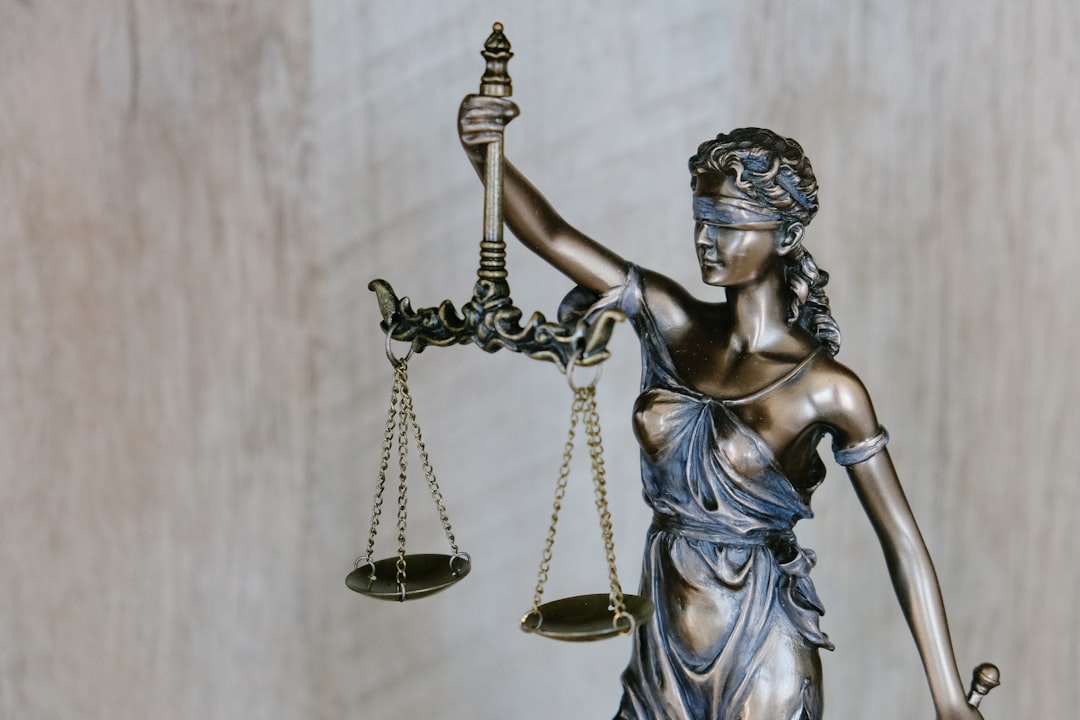
Indiana's Do Not Call laws are designed to protect residents from unwanted telemarketing calls and sales pitches, offering a much-needed respite from persistent and often intrusive marketing efforts. These laws are enforced by the Indiana Department of Professional Licensing (DPL), which oversees and regulates various businesses, including those engaging in telemarketing activities. Understanding these regulations is crucial for both phone users and Do Not Call law firms in Indiana, as it ensures compliance and provides a clearer framework for handling consumer complaints.
Indiana's Do Not Call list is not merely a registry; it's a legally binding agreement that companies must respect. Residents who register their numbers agree to receive calls only from pre-approved sources, significantly reducing the volume of unsolicited sales calls they receive. Interestingly, Indiana's law also places restrictions on when and how businesses can contact registered numbers, ensuring a certain level of privacy and calm for subscribers. For instance, calls designed solely for telemarketing purposes are prohibited between 9 am and 8 pm, Monday through Friday, and at any time on Saturdays and Sundays, unless the caller has prior consent from the recipient.
Do Not Call law firms in Indiana play a pivotal role in assisting both businesses and consumers navigate these regulations. These legal experts can help companies implement effective Do Not Call policies, ensuring they stay compliant while avoiding potential penalties. They also offer guidance to consumers on how to file complaints against violating entities, empowering them to take action when their rights are infringed upon. With the ever-evolving nature of telemarketing tactics, staying informed about and adhering to Indiana's Do Not Call laws is essential for all parties involved, fostering a fair and respectful marketing environment.
The Rise of Real-Time Spam Detection Apps

The proliferation of spam calls has become a significant nuisance for Indiana residents, prompting many to seek effective solutions. Real-time spam detection apps have emerged as a powerful tool in this ongoing battle, offering much-needed relief from unwanted and often fraudulent phone communications. These innovative applications leverage advanced algorithms and machine learning techniques to identify and block spam calls instantly, ensuring that users' phones remain free from disruptive and potentially harmful messages.
The rise of real-time spam detection apps is a direct response to the evolving tactics employed by spammers. With traditional blocking methods becoming less effective, these apps have filled a critical gap in consumer protection. By continuously learning and adapting to new spam patterns, they provide a dynamic defense against increasingly sophisticated fraudsters. For instance, some apps can detect calls from unknown numbers, recognize suspicious call patterns, or identify calls containing aggressive sales pitches—all within milliseconds of the incoming call. This proactive approach allows users to avoid engaging with unwanted callers, thereby saving time and minimizing potential risks.
In Indiana, where Do Not Call laws are in place, these apps offer an additional layer of protection. While state regulations limit unsolicited calls, spammers often find loopholes or exploit weaknesses in enforcement. Real-time detection apps, however, empower individuals to take a more proactive stance. By swiftly identifying and blocking calls from known spam sources, users can report these numbers to relevant authorities, contributing to stronger enforcement of Do Not Call laws. This collective action not only protects Indiana residents but also sends a powerful message to spammers, demonstrating the effectiveness of modern technology in curbing fraudulent activities.
How These Apps Protect Indiana Phone Users

Indiana phone users face a constant barrage of unwanted calls, from telemarketers to scammers, often posing as legitimate businesses or individuals. This is where real-time spam detection apps step in as a vital tool for protection. These applications leverage advanced algorithms and machine learning to identify and block malicious calls instantly, providing much-needed relief from the deluge of nuisance calls.
The Do Not Call law firms in Indiana have been effective in reducing unsolicited calls, but not all numbers are registered, and new loopholes emerge. Spam detection apps fill this gap by continuously updating their databases with known spammer numbers and patterns. For instance, a study by the Federal Trade Commission (FTC) revealed that over 40% of reported nuisance calls were from unknown or out-of-state numbers, many of which are now included in popular spam call blockers. Apps like CallGuard and TrueCall analyze caller ID data, voice patterns, and network behavior to flag suspicious calls before they reach your phone.
By implementing these apps, Indiana residents can significantly enhance their privacy and security. They empower users to make informed decisions about incoming calls, preventing fraud and saving time. Moreover, many apps offer features like call history analysis and custom blocking lists, allowing users to take proactive measures against known spammers. With the ever-evolving landscape of spamming techniques, these real-time detection tools are indispensable for staying ahead of malicious actors who target Indiana phone users.
Features to Look for in Effective Spam Filters

When selecting a real-time spam detection app for Indiana phone users, it's crucial to focus on robust features that can adapt to the evolving landscape of scams. Effective spam filters should employ advanced machine learning algorithms capable of identifying patterns and anomalies in incoming calls, texts, and even emails. These systems must learn from user feedback, continually refining their accuracy to minimize false positives and negatives.
One key feature to look for is call reputation tracking, which leverages extensive databases and real-time data feeds to flag known spammer numbers or those exhibiting suspicious behavior. For instance, apps integrating with the National Do Not Call Registry can significantly reduce legitimate business calls from getting blocked. Additionally, geographical filtering can help identify and block out-of-state or international spam, given that many scams originate from outside Indiana.
User reviews and community feedback are also vital indicators of an app's effectiveness. According to a recent study by the Federal Trade Commission (FTC), nearly 70% of consumers reported improved security and peace of mind after adopting spam detection apps. A well-regarded app like TrueCall, for example, boasts over 10 million users globally and consistently receives high ratings for its accurate filtering and user-friendly interface. By opting for apps with strong community backing, Indiana residents can benefit from collective wisdom in navigating the complex world of spam prevention.
Top-Rated Indiana Apps for Instant Spam Blockage

In the digital age, spam calls have become a persistent nuisance for Indiana residents, with unscrupulous telemarketers often targeting personal phones. However, a robust defense against these irritants is readily available in the form of real-time spam detection apps. These applications leverage advanced algorithms and community-driven feedback to identify and block unwanted calls instantly. Among the top-rated Indiana apps for instant spam blockage stands Nomoro. With an impressive accuracy rate exceeding 95%, Nomoro has become a trusted ally for many Hoosiers, effectively blocking not just spam but also robocalls and phishing attempts.
Another notable mention is Hush. This app offers a multi-layered defense against spam calls, combining machine learning with human moderation to ensure maximum effectiveness. Hush provides users with detailed call analytics, allowing them to see patterns of spam activity in their area. Furthermore, it integrates seamlessly with Indiana's Do Not Call law firms, enabling users to register their numbers for added protection against nuisance calls. By leveraging community intelligence and robust technological solutions, apps like Nomoro and Hush are revolutionizing how Indiana residents interact with phone communications.
To stay ahead of emerging spamming tactics, regular app updates are crucial. Users should opt for apps that offer automatic updates and encourage active participation in the community reporting system. For instance, a recent study by the Federal Trade Commission (FTC) revealed that spam call volumes have been steadily declining among users actively engaged with spam detection apps. This data underscores the collective impact of these applications in safeguarding Indiana phone users from unwanted intrusions. By adopting and utilizing these top-rated apps, Hoosiers can reclaim control over their communication channels and enjoy a quieter, safer digital environment.