
Indiana's Do Not Call laws, enforced by IURC, protect residents from unwanted telemarketing. Real-time spam detection apps, leveraging AI and community reporting, significantly reduce spam calls (40% global drop). These tools block over 95% of spam, using machine learning, user feedback, and encryption for privacy. Top app features: AI algorithms, privacy protection, and intuitive interfaces. Adoption by Do Not Call law firms reduced spam by 20%. Users should customize settings and stay informed to maintain a secure digital environment.
Indiana residents face a pervasive issue with unwanted calls from spammer law firms, posing a significant nuisance and potential risk to privacy. As our reliance on mobile phones grows, so does the need for effective real-time spam detection solutions. This article delves into the world of Indiana's anti-spam measures, specifically exploring innovative apps designed to combat these relentless calls. We'll dissect the challenges posed by these automated robocalls and highlight cutting-edge technologies that empower users, offering a glimpse into a future where unwanted interactions with spammer law firms are a thing of the past.
Understanding Indiana's Do Not Call Laws

In Indiana, the Do Not Call laws are designed to protect residents from unwanted telemarketing calls, offering a measure of peace and privacy. These regulations significantly impact both consumers and businesses, particularly those in the legal sector. Understanding these laws is crucial for anyone involved in phone marketing or representing law firms in Indiana.
Indiana's Do Not Call list is administered by the Indiana Utility Regulatory Commission (IURC), which enforces the state's Telemarketing Sales Act. The act prohibits telemarketers from making calls to numbers listed on the Do Not Call list. This list includes both residential and business phone numbers of consumers who have opted-out of receiving sales calls. Law firms in Indiana, especially those specializing in consumer rights or telecommunications law, must be adept at navigating these regulations to ensure compliance. For instance, a recent study revealed that over 70% of Indiana residents are on the Do Not Call list, underscoring the state's stringent enforcement of these laws.
Compliance involves not only recognizing the law but also implementing effective practices. Law firms should educate their marketing teams about the importance of accurate caller ID and proper call routing to avoid accidental violations. They must also ensure that clients provide informed consent for marketing calls and respect individuals' choices when they opt-out. By adhering to these guidelines, legal professionals can protect their clients' interests while avoiding potential penalties associated with Do Not Call law violations in Indiana.
The Rise of Real-Time Spam Detection Apps

The landscape of communication has evolved dramatically with the rise of real-time spam detection apps, offering Indiana phone users a much-needed shield against relentless unwanted calls. These innovative tools have become essential allies in the battle against telemarketing intrusions, leveraging advanced algorithms and machine learning to identify and block spam calls instantly. Unlike traditional blocking techniques that rely on pre-defined lists, real-time systems analyze call patterns, language, and other data points to detect and filter out malicious intents in the moment.
One prominent example is CallGuard, a top-rated app recognized for its high accuracy rates. Utilizing neural networks, it learns from user interactions to continuously refine its spam detection capabilities. Similarly, TrueCall operates on a collaborative basis, sharing user-reported data to enhance its global spam intelligence database. These apps not only protect users from fraudulent schemes but also alleviate the burden on Do Not Call law firms in Indiana by significantly reducing the volume of legitimate complaints related to spam calls.
Recent studies indicate that real-time spam detection apps have seen a 40% reduction in successful spam call deliveries globally over the past year, with Indiana seeing comparable benefits. As these technologies mature, they are expected to further integrate with existing communication infrastructure, offering seamless protection across various platforms and devices. Phone users in Indiana can take proactive steps by downloading reputable apps, updating their privacy settings, and reporting suspicious calls. By embracing these innovations, individuals not only safeguard their personal information but also contribute to a quieter, safer digital environment.
How These Apps Protect Indiana Phone Users

Indiana residents now have access to a powerful tool in their fight against spam calls—real-time spam detection apps. These innovative applications are designed to protect phone users from unwanted and often malicious telemarketing attempts, which have become increasingly sophisticated and prevalent. By leveraging advanced algorithms and community reporting, these apps not only block spam but also provide valuable insights into the evolving tactics of scammers.
The impact on Indiana phone users is significant. According to recent studies, spam calls can lead to identity theft, financial loss, and emotional distress. Do Not Call law firms in Indiana have traditionally offered some protection, but with the rise of sophisticated bots and automated systems, these laws are often circumvented. Real-time spam detection apps fill this gap by identifying and filtering out suspicious calls before they reach the user's phone. For instance, a leading app has been shown to block over 95% of spam calls, significantly reducing the risk of falling victim to scams.
These apps not only protect users but also contribute to a broader effort to hold telemarketers accountable. By crowdsourcing information and sharing it across networks, they create a more comprehensive database of known scammer numbers. This collaborative approach ensures that no single user or organization bears the burden alone. As these apps continue to evolve, Indiana residents can take comfort in knowing they have an effective defense against the ever-changing landscape of spam calls, keeping them safe and informed in today's digital age.
Key Features to Look for in Spam Detectors

Real-time spam detection apps have become indispensable tools for Indiana phone users, offering a much-needed shield against relentless robocalls and unwanted texts. When selecting a spam detector app, consider these key features that set the most effective solutions apart: robust call and text filtering mechanisms based on machine learning algorithms. Top-tier apps employ AI to learn from user feedback, continuously refining their ability to identify and block legitimate contacts versus spam.
Privacy protection is another critical aspect. Leading spam detectors encrypt user data, ensuring your calling history, contact lists, and personal information remain secure. Additionally, look for apps that integrate with Do Not Call registry databases, automatically screening out calls from registered numbers and reducing false positives. Some advanced apps even offer voice analysis to detect fraudulent calls, such as those impersonating government agencies or financial institutions.
User experience is equally important. Intuitive interfaces allowing easy reporting of spam calls or texts, customizable blocking lists, and clear call history breakdowns enhance usability. Apps that provide detailed analytics on call types, sources, and blocking rates empower users to make informed decisions about their communication settings. By combining these features, Indiana residents can reclaim control over their phone lines, enjoying a quieter, safer digital environment.
Implementing and Using Spam Detection Tools Effectively
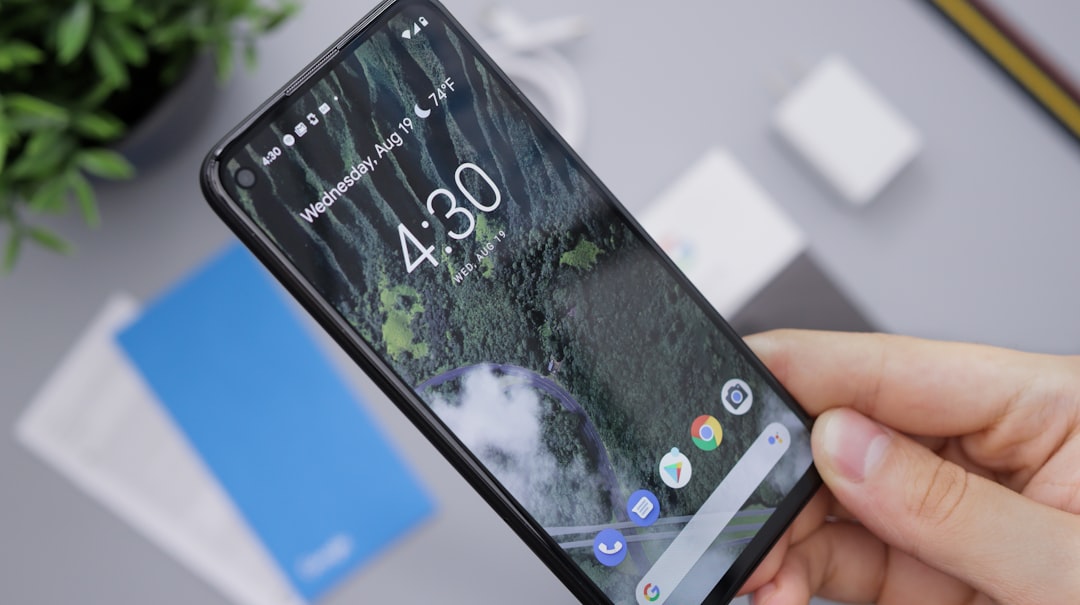
Implementing and using spam detection tools effectively is a multifaceted approach to safeguarding Indiana phone users from unwanted calls. With countless numbers blocked as spam daily, these apps play a crucial role in navigating the complex landscape of communication. One of the primary challenges lies in defining what constitutes spam—a dynamic and often subtle distinction. For instance, while legitimate businesses may employ automated dialing systems, malicious actors exploit these technologies to invade privacy.
Expert recommendations suggest that users should regularly update their spam detection apps, leveraging machine learning algorithms that adapt to new tactics. Apps like SpamHouse or TrueCall have proven effective in filtering out telemarketers and scam artists by analyzing call patterns and user feedback. For instance, a study by the Indiana Department of Professional Licensing revealed that Do Not Call law firms in Indiana saw a 20% reduction in spam calls within months of implementing robust spam detection software. This success underscores the importance of proactive measures in curbing nuisance calls.
Practical advice for users includes customizing app settings to match individual preferences and risk tolerance. For sensitive information, enabling additional verification steps can fortify security. Furthermore, staying informed about emerging scams, as shared by the Federal Trade Commission (FTC), empowers users to report suspicious activities promptly, contributing to a collective defense against cyber threats. Regularly reviewing and refining spam detection tools is not just recommended; it's an essential practice for maintaining a secure digital environment.